Nepal Nomad was my reference agency for several treks and expeditions in the Nepalese Himalaya mountains between 2009 and 2013. I always received impeccable service at an honest cost and above all maximum flexibility in defining itineraries. Furthermore, the company manages to maintain an honest cost even in the case of a small number of participants, even just one.
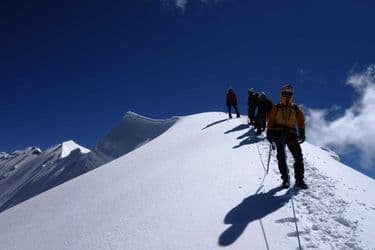
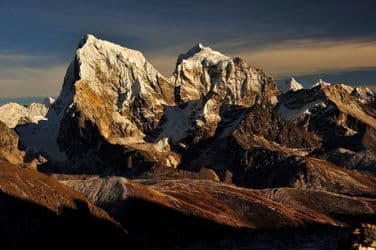
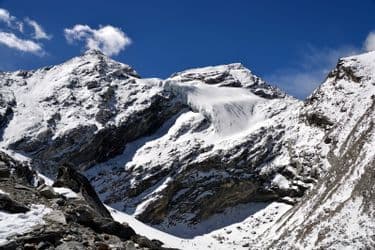
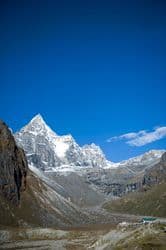
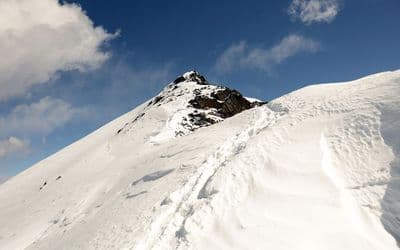
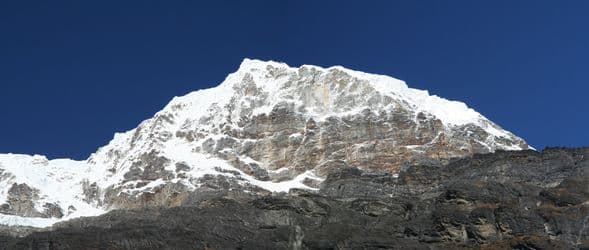
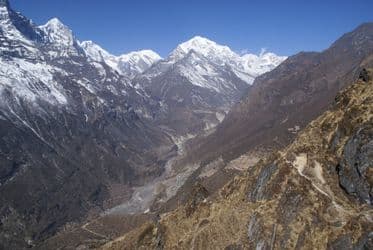
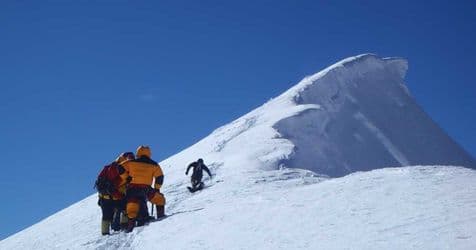
This review concerns the trek around Dhaulagiri carried out in the second half of October 2010 and is significant as I was the only member. The trek travels through one of the most remote and complex areas open to tourism, first crossing low-altitude valleys full of agricultural villages completely without electricity and therefore in a truly primordial state. However, those at lower altitudes are well developed and within the limits of a zero mechanized agricultural civilization, enjoy a reasonable standard of living. As you move further away and get higher, the villages become smaller and life becomes harder to truly unthinkable levels. You then enter an incredible gorge a few tens of meters wide where a path has been dug into the rocky side which allows you to reach the last village at an altitude of 2100m at the bottom of a deep and dark valley. An incredible place that precedes the long ascent towards the glacial basins. The first Dhaulagiri base camp is located at an altitude of 3600 meters in a large sunny basin under the south-east face of the mountain which literally falls for 4 km onto the camp. All around there are mountains covered by glaciers between 6500 and 7500 meters. From here in a long day I reached the advanced camp at an altitude of 4600 meters in the middle of the glacier. It is a very demanding stage that can be covered in a single day ONLY if you are already acclimatised and well trained, otherwise it is necessary to set up a camp on a moraine around an altitude of 4100. The advanced base camp is a fantastic but dark and freezing place located under the huge icefall that descends from the side of the mountain and crossed by expeditions that attempt the summit in spring, the only possible period for this mountain known for the terrible snowstorms and winds that hit it. From the camp you reach and pass the French Pass at an altitude of 5300 and descend into the Hidden Valley, one of the most beautiful places in the world. Here the landscape is completely different, of the Tibetan type, dotted with rounded mountains covered by ice caps and without names, only signs on the maps. A primordial place. The following day we pass the Damphus Pass at an altitude of 5300 meters and begin the descent on an exposed path which I followed under heavy snow in terrible visibility conditions. A real adventure. The last camp at an altitude of 4100, reached after a 10-hour odyssey, was a liberation for everyone and a great satisfaction. The following day in a few hours you reach Marpha and it is the end of the route. This is an extraordinary trek, totally different for the better from the ultra-popular treks in the Everest and Annapurna regions. It all takes place in a tent, training and experience are required. The terrain is complex and can present serious difficulties in case of bad weather along the entire stretch above 4000 metres. It is a must for anyone who wants to live a true Himalayan experience. It takes between 13 and 18 days depending on the degree of acclimatization and training. It is essential to evaluate your conditions carefully. Nepal Nomad was impeccable in all aspects and I have among my best memories.



 Nepal
Nepal